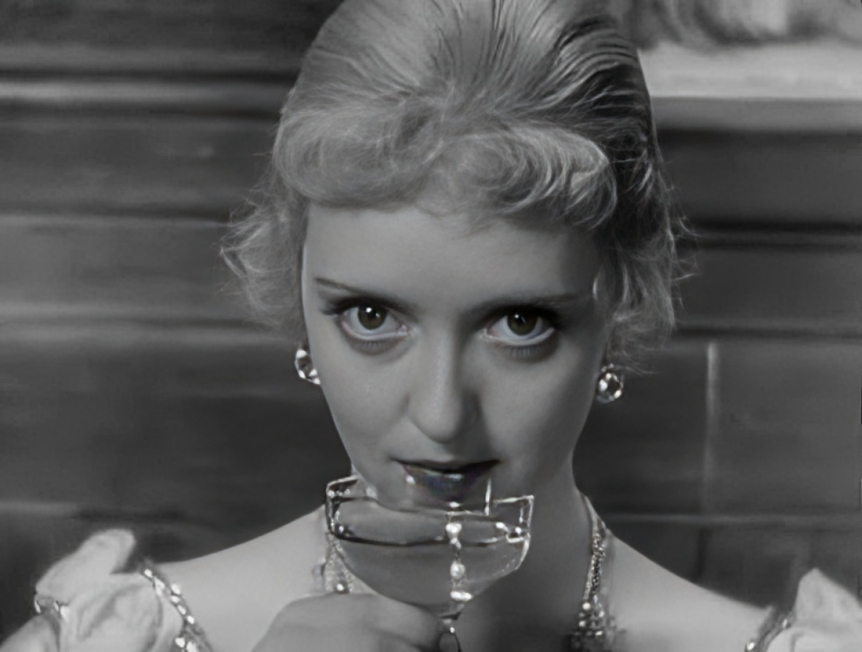
Before the Academy Awards became Hollywood’s most celebrated night, they faced a crisis that threatened their credibility. The 1934 Best Actress race remains one of the earliest and most significant controversies in Oscar history, exposing deep divisions within the film industry and prompting reforms that continue to shape the awards nearly a century later.
The Boycott That Shook the Academy
The scandal unfolded against a backdrop of growing labor unrest in Hollywood. During the early 1930s, the Screen Actors Guild and Screen Writers Guild were organizing to improve working conditions and challenge the dominance of the major studios. Many industry professionals viewed the Academy of Motion Picture Arts and Sciences as being too closely aligned with studio producers rather than serving as an impartial organization representing all branches of filmmaking.
In protest, both guilds encouraged their members to boycott the Academy. The boycott dramatically reduced participation in the nomination process, leaving only a relatively small group of actors to determine the Best Actress nominees. The limited voting pool would have enormous consequences.
Bette Davis and the Shocking Snub
The most controversial omission was Bette Davis, whose fearless performance as Mildred Rogers in Of Human Bondage had been widely hailed as one of the year’s finest acting achievements. Davis abandoned conventional Hollywood glamour, portraying an emotionally manipulative, physically deteriorating woman with remarkable intensity and vulnerability. Critics praised the performance, and many within the industry assumed an Academy Award nomination was inevitable.
Behind the scenes, however, Davis’s relationship with Warner Bros. had become increasingly strained. She had fought to be loaned to RKO for Of Human Bondage after which Warner Bros. reportedly prevented her from starring in It Happened One Night. According to many contemporary accounts, the studio subsequently declined to actively campaign for her Oscar consideration, leaving her vulnerable in an already compromised nomination process.
When the nominations were announced, Davis’s absence stunned Hollywood.
Hollywood Pushes Back
The reaction was swift and unusually public. Trade publications criticized the Academy’s decision, while actors including Joan Blondell and Dick Powell openly questioned the legitimacy of the nominations. Even Norma Shearer, herself nominated for Best Actress, expressed doubts about the outcome.
The controversy quickly became more than a debate over one performance. It raised uncomfortable questions about whether the Academy’s voting process truly reflected artistic achievement or had become vulnerable to studio politics, limited participation, and institutional bias.
Faced with mounting criticism, the Academy found itself in an unprecedented public relations crisis.
The Emergency Reform
Only days after the nominations were announced, newly elected Academy president Howard Estabrook introduced a remarkable solution: unrestricted write-in voting in every category.
Rather than limiting members to the official nominees, voters could now write in any eligible performer or film they believed deserved recognition. The proposal received support from several prominent Academy members, including Frank Capra, Robert Riskin, Norma Shearer, William Powell, and Norman Krasna, all of whom hoped the reform would restore confidence in the awards.
The move was extraordinary. The Academy had effectively acknowledged that its own nomination process had failed to command public trust.
Claudette Colbert Prevails
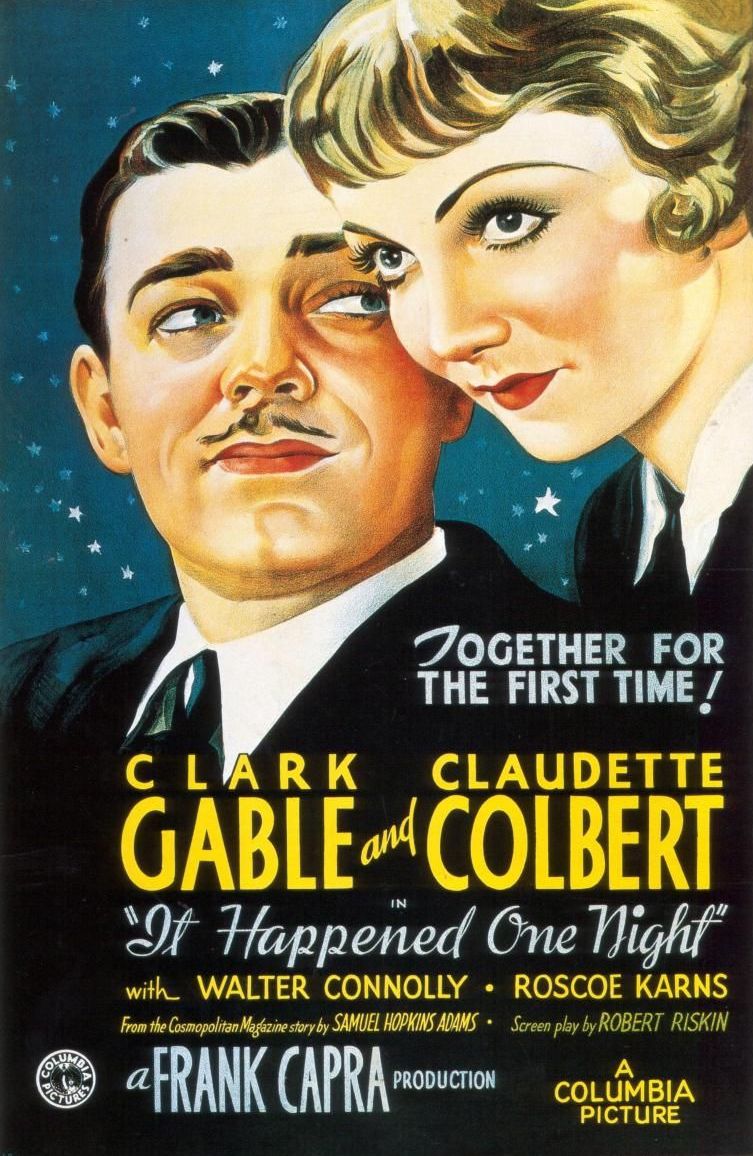
The write-in campaign generated significant support for Davis, but it ultimately proved insufficient. Claudette Colbert won the Best Actress Oscar for It Happened One Night, while Davis finished behind the officially nominated candidates despite receiving thousands of write-in votes.
Ironically, Davis would receive her first Academy Award the following year for Dangerous, a performance she later considered less deserving than her work in Of Human Bondage. For many historians, the earlier performance remains the defining achievement of her career during that period.
A Lasting Legacy
Although Bette Davis did not win, the controversy permanently altered the Academy Awards.
The scandal highlighted the organization’s strained relationship with Hollywood’s emerging labor unions and demonstrated the dangers of a voting process perceived as overly influenced by studio interests. The guild boycott had become impossible to ignore—so much so that Oscar-winning screenwriter Robert Riskin himself stayed away from the ceremony in solidarity.
The reforms extended beyond the write-in vote. Beginning the following year, the Academy appointed Price Waterhouse to independently tabulate Oscar ballots, removing responsibility from studio insiders and helping restore confidence in the integrity of the awards. That tradition of independent vote counting continues today.
The 1934 Best Actress controversy serves as a reminder that the Oscars have never been immune to politics, controversy, or public pressure. Yet it also demonstrates how institutional crises can produce meaningful reform. What began as the shocking omission of Bette Davis ultimately transformed the Academy’s voting procedures and strengthened the credibility of Hollywood’s highest honors for generations to come.
꧁ ✧꧂
It Happened One Night episode is now live! Listen to it here:



Leave a Reply